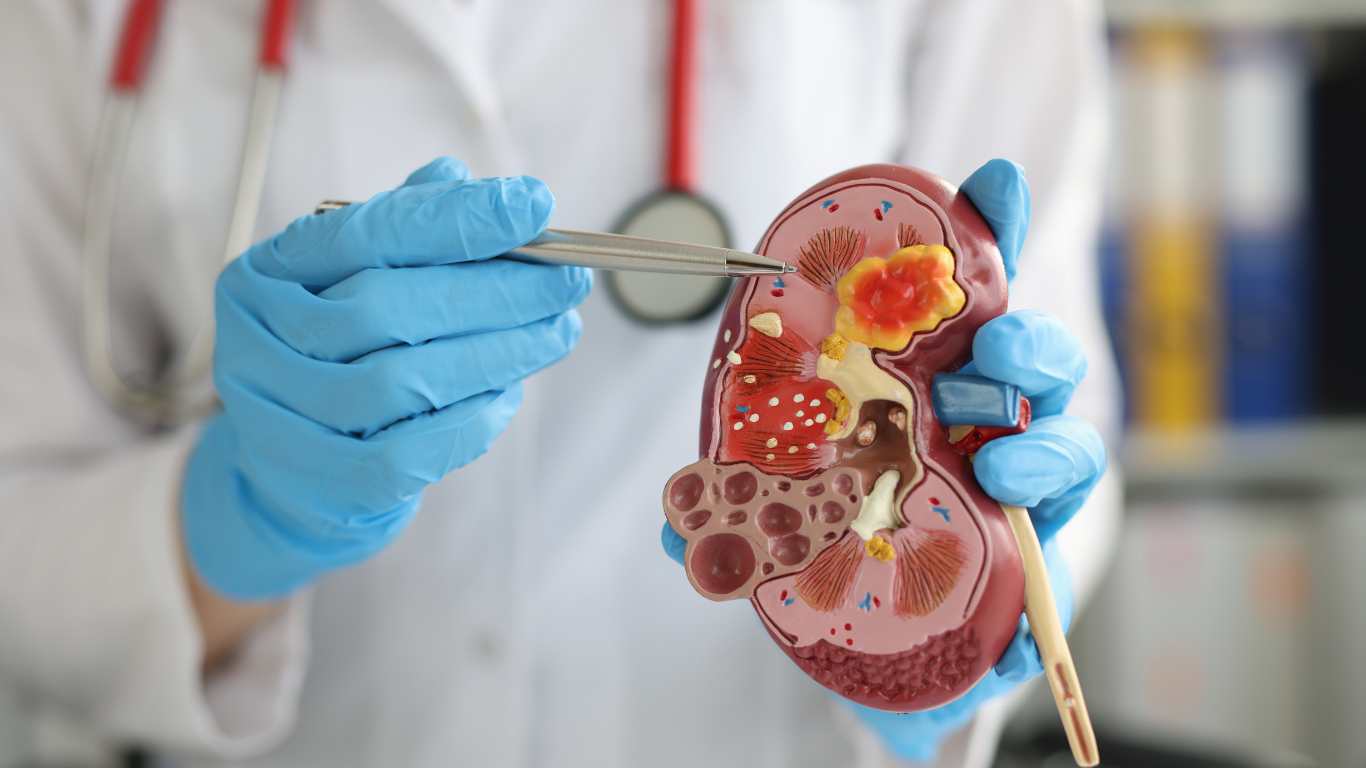

High blood pressure and kidney disease are closely connected. Persistent high blood pressure can damage the blood vessels and filtering structures within the kidneys, while kidney disease can also contribute to elevated blood pressure. Over time, this relationship can affect kidney function and overall health. Because early kidney disease may not cause noticeable symptoms, appropriate blood and urine testing can help identify kidney damage or reduced kidney function. Tests such as estimated Glomerular Filtration Rate (eGFR) and urine albumin measurements are commonly used when evaluating kidney health. Managing blood pressure is an important part of kidney care, although treatment targets vary according to individual circumstances. This article explains the relationship between hypertension and kidney health and why monitoring both conditions is important.

Chronic Kidney Disease: Why Early Detection Matters
Chronic Kidney Disease (CKD) is a long-term condition in which the kidneys become damaged or gradually lose their ability to filter blood effectively. In its early stages, CKD may cause few or no noticeable symptoms, making regular testing important, particularly for people with diabetes, high blood pressure, heart disease, or other risk factors. Kidney health is commonly assessed using blood tests such as estimated Glomerular Filtration Rate (eGFR) and urine tests that measure albumin. Identifying CKD early allows healthcare professionals to investigate its cause, monitor kidney function, manage associated conditions, and address complications. In this article, learn how CKD is detected, why early evaluation matters, and when specialist nephrology care may be appropriate.