
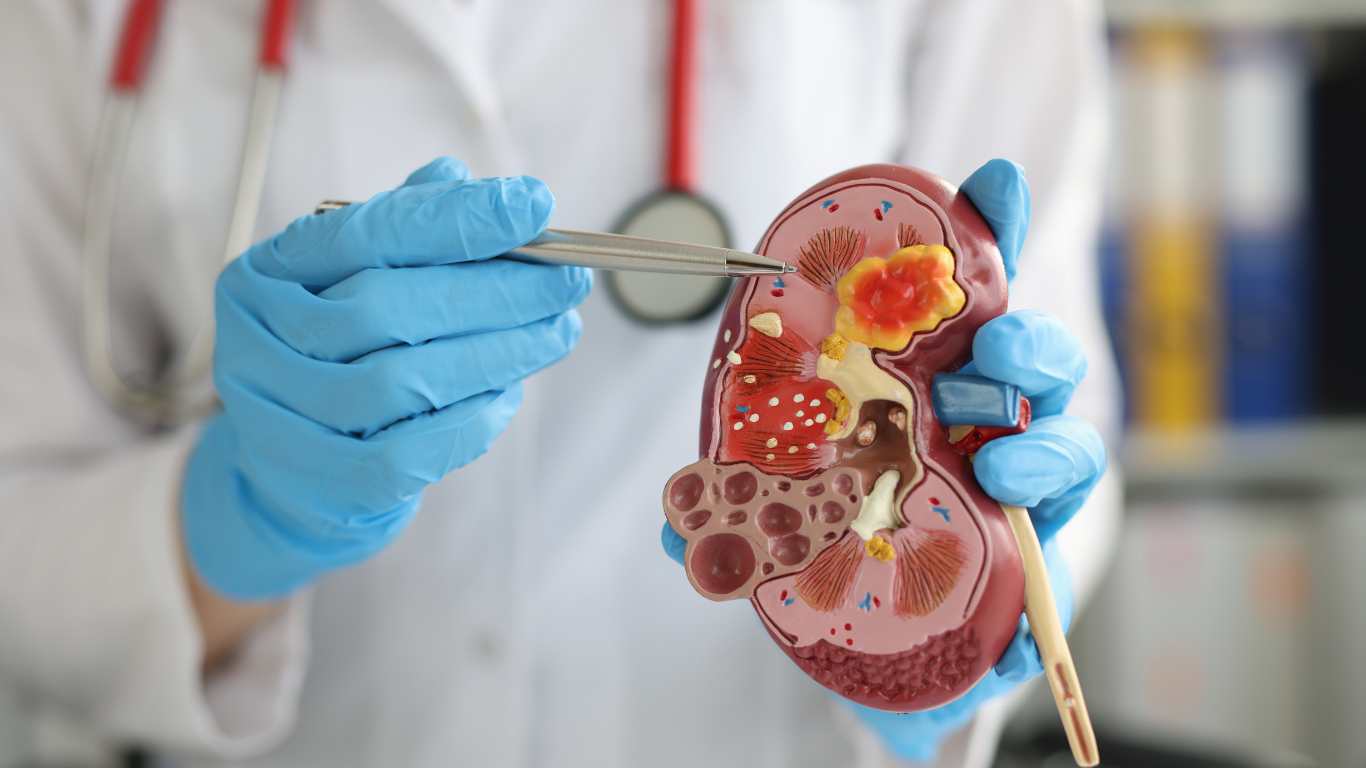
Glomerulonephritis is a condition in which the kidney’s filtering units, called glomeruli, become inflamed and damaged. The glomeruli normally filter blood while retaining important substances such as proteins and blood cells.
When these filters are damaged, blood or protein may leak into the urine.
What Are the Signs?
Glomerulonephritis can present in different ways depending on its type and severity. Possible signs include:
- Blood in the urine
- Protein in the urine
- Swelling, particularly around the eyes, ankles or legs
- High blood pressure
- Changes in kidney function
Some people may have few or no noticeable symptoms, particularly in the earlier stages.
What Causes Glomerulonephritis?
There are many possible causes. Some forms are associated with infections, while others are linked to immune-system disorders, inherited conditions or other diseases.
Because there are different types of glomerular disease, identifying the underlying cause is important for selecting appropriate treatment.
How Is It Diagnosed?
Evaluation may include blood and urine tests to assess kidney function and detect blood or protein in the urine. Depending on the clinical situation, additional investigations may be required.
A kidney biopsy may be used to confirm a diagnosis and help determine the specific type of glomerular disease.
How Is It Treated?
Treatment depends on the underlying cause and the degree of kidney damage. Depending on the condition, treatment may involve medicines to control blood pressure and reduce protein loss, medicines to manage fluid retention, or medicines that modify the immune response.
If glomerular disease progresses to kidney failure, dialysis or kidney transplantation may become necessary.
Blood or protein detected in the urine should not be ignored. A nephrology evaluation can help determine whether further kidney assessment is needed.
Sources: National Kidney Foundation — Glomerulonephritis · NIDDK — Glomerular Disease
“This content is for educational purposes only and should not be considered a substitute for professional medical advice.”