
Acute Kidney Injury (AKI) is a sudden decline in kidney function that can develop over a relatively short period. Unlike Chronic Kidney Disease, which generally develops over time, AKI can occur rapidly and requires timely medical evaluation.
AKI can occur in different clinical situations. Causes may include severe infection, reduced blood flow to the kidneys, certain medicines or other conditions that directly affect the kidneys.
What Happens During AKI?
When kidney function suddenly declines, the kidneys may become less able to remove waste products and maintain the body’s fluid and electrolyte balance. The severity and consequences of AKI vary depending on its cause and the individual’s overall health.
Some people may have few noticeable symptoms, while others may develop changes related to fluid or waste accumulation. Kidney function is assessed using clinical evaluation and laboratory tests, including blood tests.
How Is AKI Managed?
Treatment depends primarily on identifying and addressing the underlying cause. Medical care may involve monitoring kidney function, managing fluid and electrolyte abnormalities, reviewing medicines and treating the condition responsible for the kidney injury.
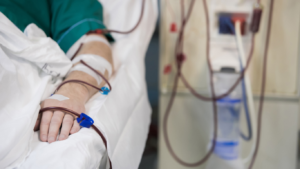
In severe cases, kidney replacement therapy, including dialysis, may be required. The need for dialysis depends on the patient’s clinical condition and kidney function.
Recovery from AKI varies. Some patients recover kidney function, while others can be left with persistent kidney damage. AKI is also associated with an increased risk of developing or worsening Chronic Kidney Disease.
Why Follow-Up Matters
Recovery from an episode of AKI should not necessarily be considered the end of kidney care. Follow-up may be important to assess kidney function and identify any persistent abnormalities.
If you have experienced AKI, particularly a severe episode or one requiring dialysis, discuss appropriate follow-up with your healthcare professional.
Early recognition and treatment of the underlying cause are important parts of managing Acute Kidney Injury.
Sources: KDIGO — Acute Kidney Injury Guideline · NIDDK — Acute Kidney Injury Research & Clinical Information · NIDDK — Recent Advances in Kidney Injury Research
“This content is for educational purposes only and should not be considered a substitute for professional medical advice.”