

High blood pressure and kidney disease are closely connected. Persistent high blood pressure can damage the blood vessels and filtering structures within the kidneys, while kidney disease can also contribute to elevated blood pressure. Over time, this relationship can affect kidney function and overall health. Because early kidney disease may not cause noticeable symptoms, appropriate blood and urine testing can help identify kidney damage or reduced kidney function. Tests such as estimated Glomerular Filtration Rate (eGFR) and urine albumin measurements are commonly used when evaluating kidney health. Managing blood pressure is an important part of kidney care, although treatment targets vary according to individual circumstances. This article explains the relationship between hypertension and kidney health and why monitoring both conditions is important.
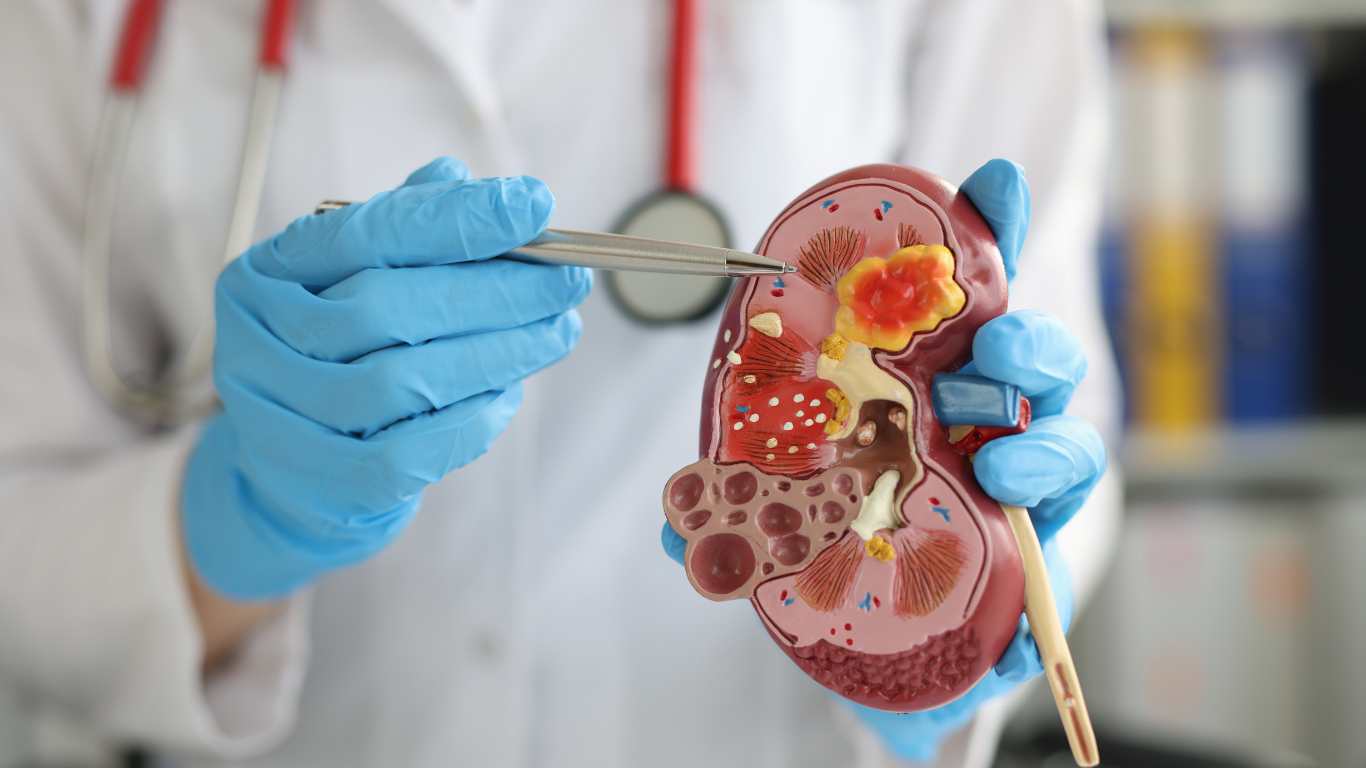
Glomerulonephritis: When the Kidney Filters Become Inflamed
Glomerulonephritis refers to inflammation and damage affecting the glomeruli—the tiny filtering units inside the kidneys. When these filters are damaged, blood or protein can leak into the urine. Depending on the type and severity, glomerulonephritis may be associated with blood or protein in the urine, swelling, high blood pressure, or changes in kidney function. There are several possible causes, including infections, immune-related conditions, inherited disorders, and other diseases. Evaluation may involve blood and urine tests, while additional investigations, including a kidney biopsy, may be required in some cases to identify the specific type of disease. Treatment depends on the underlying cause and severity. This article explains the condition, its possible signs, diagnosis, and treatment approach.

Acute Kidney Injury: What You Should Know
Acute Kidney Injury (AKI) is a sudden decline in kidney function that can develop over a short period. It can occur in connection with conditions such as severe illness, reduced blood flow to the kidneys, certain medicines, or direct kidney injury. AKI may sometimes produce few noticeable symptoms, while in other cases it can cause problems related to fluid, electrolyte, and waste accumulation. Diagnosis involves clinical assessment and laboratory testing, while treatment focuses on identifying and addressing the underlying cause. Some patients recover kidney function, while others may have persistent kidney damage or an increased risk of Chronic Kidney Disease. This article explains the causes, evaluation, treatment, and importance of follow-up after an episode of Acute Kidney Injury.

Chronic Kidney Disease: Why Early Detection Matters
Chronic Kidney Disease (CKD) is a long-term condition in which the kidneys become damaged or gradually lose their ability to filter blood effectively. In its early stages, CKD may cause few or no noticeable symptoms, making regular testing important, particularly for people with diabetes, high blood pressure, heart disease, or other risk factors. Kidney health is commonly assessed using blood tests such as estimated Glomerular Filtration Rate (eGFR) and urine tests that measure albumin. Identifying CKD early allows healthcare professionals to investigate its cause, monitor kidney function, manage associated conditions, and address complications. In this article, learn how CKD is detected, why early evaluation matters, and when specialist nephrology care may be appropriate.