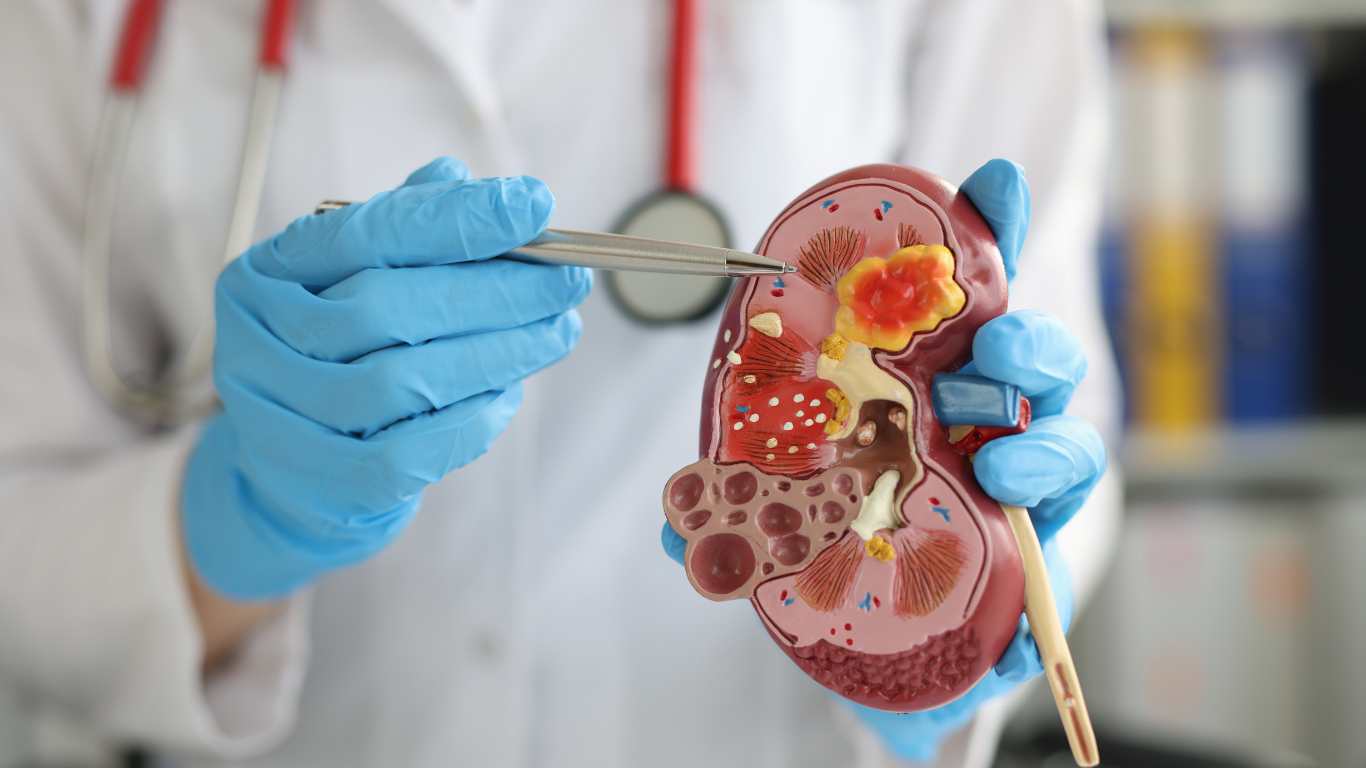

Chronic Kidney Disease (CKD) occurs when the kidneys are damaged or have structural problems that reduce their ability to filter blood properly. CKD often develops gradually, and many people have no symptoms in its early stages. This is why kidney disease can go unnoticed without appropriate testing.
Diabetes and high blood pressure are the most common causes of CKD in adults. Other causes include heart disease, certain infections, inherited kidney conditions and other disorders that can damage the kidneys.
How Is CKD Detected?
Two important tests are commonly used to evaluate kidney health:
Estimated Glomerular Filtration Rate (eGFR): A blood test is used to estimate how well the kidneys filter blood.
Urine Albumin: Albumin is a protein that normally remains in the bloodstream. Damaged kidney filters can allow albumin to pass into the urine.
Doctors may monitor these measurements over time to understand kidney function and assess the progression of kidney disease.
Why Early Detection Matters
Early CKD may not cause noticeable symptoms. Testing is particularly important for people with risk factors such as diabetes, high blood pressure, heart disease or a family history of kidney failure.
Management of CKD may include controlling blood pressure and blood glucose when appropriate, taking prescribed medicines, monitoring kidney function and addressing complications associated with CKD.
The appropriate treatment depends on the cause and stage of kidney disease. A nephrologist can help evaluate the underlying cause and develop an individualized management plan.
If you have diabetes, high blood pressure, abnormal kidney-function tests or protein in your urine, discuss kidney testing with your healthcare professional.
Sources: NIDDK — Chronic Kidney Disease · NIDDK — CKD Tests & Diagnosis · KDIGO — 2024 CKD Guideline
“This content is for educational purposes only and should not be considered a substitute for professional medical advice.”